

Open water – Why is it easier to swim in sea water than in fresh water?
Swimming in the ocean can be a truly enjoyable experience for any swimmer, whether they are a beginner, an expert, or just out for a dip in the sea. And whilst some people view open water swimming as a little daunting at first, learning to swim in salt water can be a great way to take the first steps to becoming an open water swimmer. This is thanks in part to the natural buoyancy that the salt within the water can give us whilst we swim.
Here’s our ‘in a nutshell’ guide to saltwater vs freshwater and why either could be a great option for you.
What Is Saltwater?
Salt Water is essentially a body of water with a high density of salt. This is any sea, ocean and even estuaries but you can also find some man-made saltwater pools. A quick internet search should tell you where you can find one close to you.
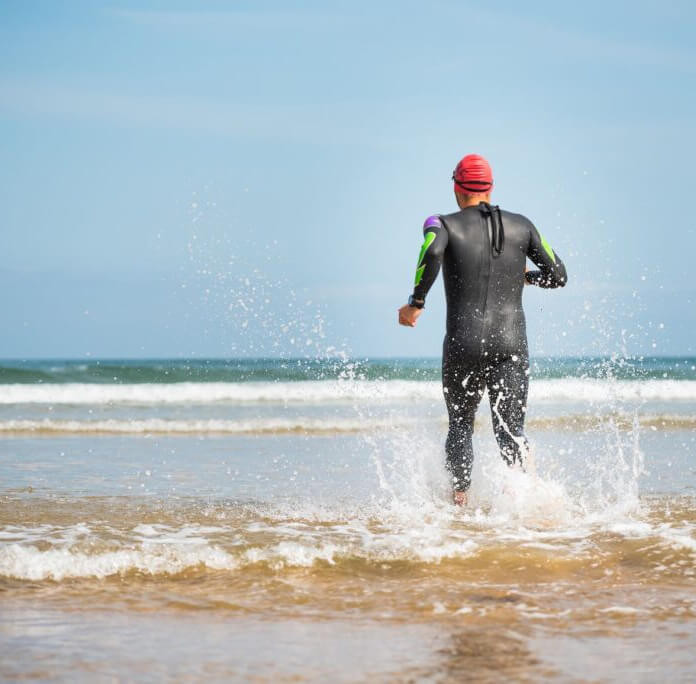
Why swim in Saltwater
It’s no secret that the density of the salt in the sea is what can really help us to float. It’s why the Dead Sea is so famous. Swimming in this naturally buoyant environment is a fantastic way to build confidence in the water.
The added benefit of swimming in the sea is that it helps the body to sit higher in the water and can ultimately help you to become more streamlined whilst swimming.
Swimming in the sea is also really great for our skin-health as it’s packed with lots of natural minerals like magnesium, sodium, calcium, chloride and sulphate. You’re unlikely to absorb these but if you suffer from any sort of skin disorder, such as psoriasis or eczema, then you’re sure to see a benefit.
What is Freshwater?
Freshwater is any body of water with a low density of salt. These are usually, lakes, lochs, rivers and reservoirs. It’s important to remember that not all freshwater is “safe to drink” and this is largely due to run off, pollution and erosion.

Why swim in Freshwater
It’s certainly easier to stay afloat in seawater but freshwater in lakes and lochs often has the advantage of having fewer things that affect the water like tides and currents. So on a calm day it will likely to be far less choppy- a factor which could throw off your balance when you swim. The salt in the sea can also lead to some chaffing around the neck. Whilst this can be reduced with good body position and an eco-friendly lubricant, chaffing is not something that you would need to worry about in a lake!